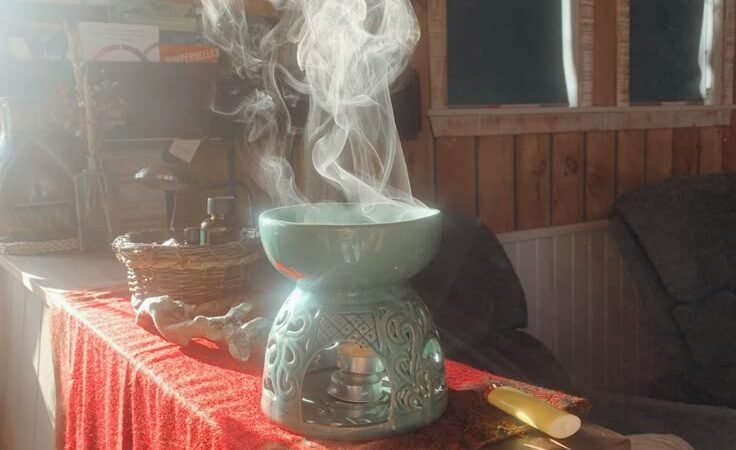
Introduction: Understanding Home Sanctification
Home sanctification is a practice rooted in various cultures and religious traditions, serving as a pivotal step in the process of moving into a new living space. This ritual or act often involves setting apart a dwelling for sacred use, aiming to imbue it with positive energy and spiritual significance. The belief that a new home should be cleansed and blessed before occupancy is prevalent across many societies, each holding unique customs and methods to perform this important rite.
In numerous religious contexts, sanctifying a home can involve prayers, blessings, and the use of elements such as water, salt, or incense. These actions symbolize purifying the space, dispelling negative energies, and inviting peace and prosperity into the household. In Christianity, for instance, prayers of blessing may be recited, while in Hinduism and Buddhism, rituals might include offerings and chanting to invoke divine presence. Such practices reflect a shared understanding of the home as not merely a physical shelter but a space that nurtures emotional and spiritual well-being.
The significance of home sanctification extends beyond religious affiliations and varies among individuals. For many, the act is more than a tradition; it represents a fresh start and an opportunity to create a harmonious environment. By cultivating such an atmosphere, one can foster goodwill among family members and create a foundation of security and happiness. This spiritual preparation acts as an important psychological step, allowing inhabitants to form a meaningful connection with their new space. Overall, the act of sanctifying a new home is integral to ensuring that it becomes a place of comfort, love, and serenity for all who reside within its walls.
The Historical and Cultural Context of Home Blessings
Home blessings, a practice with deep historical roots, have been observed across diverse cultures throughout time. The idea of sanctifying a new home reflects a desire for protection, prosperity, and harmony within the household. In ancient times, various civilizations employed rituals steeped in spirituality to cleanse and bless their living spaces, believing these practices would ward off negative energies and invite positive influences.
For instance, in many Indigenous cultures, the act of blessing a new home often involved prayers, offerings, or ceremonies led by a spiritual leader. These rituals were intended to honor the spirits of the land and ensure the well-being of the inhabitants. Similarly, in ancient Greece, households participated in the practice of “kthalismos”, a form of purification involving water to cleanse the home, accompanied by specific prayers to the deities for safety and abundance.
As time progressed, the methods of sanctifying a home transformed, yet the underlying principles remained. In the Christian tradition, the practice of house blessings was formalized, particularly during the Epiphany, when clergy would bless homes with holy water and chalk, inscribing the initials of the three wise men above doorways. This served to invoke divine protection over the family and the space they inhabited.
In contemporary society, the concept of home blessings has evolved further, often blending cultural elements to accommodate personal beliefs and preferences. Modern rituals may involve simple prayers, family gatherings, or the incorporation of symbolic items, such as candles or salt, to signify purification and protection. While the specifics may vary, the essence of these practices—the desire for serenity, love, and safety in one’s dwelling—remains consistent across cultures and ages.
Psychological Benefits of Sanctifying Your Home
Moving into a new home often represents a significant life transition, which can invoke a myriad of emotions, including excitement and anxiety. Sanctifying a home before relocating can serve as an essential psychological practice to ease the mental strain associated with such changes. This process can create a psychological foundation that promotes a sense of calm and emotional stability.
One of the primary psychological benefits of sanctification is stress alleviation. The act of cleansing and sanctifying a space allows individuals to engage in a ritual that helps them mentally detach from the stress of past environments. By invoking a sense of renewal and optimism, homeowners may find their new dwelling more inviting. This practice can provide a structured way to channel anxieties into a positive experience, emphasizing the importance of creating a fresh start.
Furthermore, sanctifying a home fosters a sense of peace among its inhabitants. When new residents take the time to bless or cleanse their space, they often report feeling more connected to their environment. This connection can lead to a greater sense of belonging, significantly enhancing the emotional well-being of those living within. A tranquil space encourages positive interactions and fosters collective harmony, making it crucial for family dynamics and overall household atmosphere.
In addition, creating a welcoming environment through sanctification rituals can encourage visitors to feel more at home. This welcoming atmosphere may be essential for social gatherings and nurturing relationships with friends and family. Ultimately, the psychological benefits extend beyond just the immediate inhabitants; a sanctified home can have a ripple effect on the community, promoting well-being among a broader circle of social interactions.
Different Methods of Home Sanctification
Sanctifying a new home is an essential practice for many individuals and families, providing a sense of peace and protection. There are numerous methods available, and the choice often reflects personal beliefs and traditions. One common approach is through spiritual ceremonies, which can vary widely in nature depending on the religious or spiritual affiliation of the homeowner. For example, some may choose to hold a house blessing ceremony led by a religious leader, while others might perform rites themselves that include the recitation of prayers or verses specific to their faith.
Herbal cleansing is another widely accepted method. Many cultures utilize herbs such as sage, cedar, or sweetgrass to smoke cleanse a home. The ritual often involves walking through each room, allowing the fragrant smoke to envelop the space. This practice is thought to purify the environment and eliminate negative energy, creating a welcoming atmosphere for the inhabitants.
Additionally, symbolic items may be employed to sanctify a new dwelling. For instance, placing salt in the corners of rooms is a traditional practice believed to absorb negativity, while the use of candles or crystals can also serve to enhance positivity and protect the space. Each of these items carries its own significance and can be selected based on the individual’s resonances or preferences.
Ultimately, the sanctification rituals and methods chosen will vary according to personal beliefs, traditions, and cultural backgrounds. It is essential for individuals to select practices that feel right for them, ensuring that the resulting sanctification instills a sense of comfort and spiritual security in their new home.
Creating a Positive Atmosphere Through Intentions
Sanctifying a new home is not merely a physical act; it is a deeply spiritual practice that sets the tone for your living environment. At the core of this process lies the establishment of intentions, which play a crucial role in creating a positive atmosphere. Intentions serve as guiding principles that shape the energy within the home, aligning it with the residents’ values, desires, and aspirations.
When moving into a new residence, taking the time to thoughtfully articulate intentions can have a profound impact on the energy of the space. Intentions can encompass a variety of aspects, such as fostering love, promoting harmony, encouraging personal growth, or even creating a haven for creativity. By clearly defining what you wish to cultivate, you effectively communicate these desires to the universe, infusing your new home with a sense of purpose and direction.
The act of setting these intentions can be as simple as verbally expressing your thoughts aloud or writing them down in a journal that is kept within the home. This practice not only allows individuals to focus their thoughts but also serves as a reminder of their goals and aspirations. Over time, the fulfillment of these intentions can manifest through the overall atmosphere of the abode—transforming it into a nurturing and supportive environment that aligns with personal and familial objectives.
Moreover, aligning your sacred space with these intentions involves more than just crafting an atmosphere. It is also about maintaining the energy through consistent practices such as meditation, affirmations, or rituals that resonate with the collective vision. This ongoing commitment to the set intentions acts as a reinforcing mechanism, ensuring that the home remains a reflection of the best versions of oneself and a sanctuary for growth and love.
Common Mistakes to Avoid When Sanctifying a Home
Sanctifying a new home is a deeply personal and spiritual process, yet there are several common mistakes individuals may encounter that can undermine its significance. First and foremost, many people rush through the process, treating it merely as a formality rather than a meaningful ritual. Failing to take the time to prepare one’s thoughts and intentions can detract from the overall impact of the sanctification. This process should be approached with mindfulness and purpose.
Another frequent pitfall is neglecting to include all household members in the ritual. It is often assumed that only the primary residents need to partake in the sanctification, but involving children and even pets can enhance the experience. When everyone participates, it fosters a shared sense of belonging and security in the new home. It creates a collective memory that reinforces bonds and emphasizes the safety of the space.
In addition to including everyone, not paying attention to the right tools and symbols during the sanctification can also dilute the experience. Some may overlook essential items such as candles, sage, or salt, which traditionally play a pivotal role in the blessing process. These tools should be considered carefully, as they serve to connect the ritual to its cultural and spiritual roots. Similarly, selecting meaningful prayers or invocations that resonate with your beliefs is critical, as vague or generalized phrases may fail to foster the intended sense of peace.
Finally, avoiding the post-ritual reflection can be another mistake. After the sanctification, individuals often forget to take a moment to absorb the experience and express gratitude for the new space. Reflection can solidify the intentions set during the sanctification and pave the way for a peaceful, harmonious environment in the new home. By avoiding these common mistakes, one can ensure that the sanctification process is both meaningful and effective.
Incorporating Family Traditions into Home Sanctification
Sanctifying a new home is not merely a technical process but an emotional and cultural endeavor that can significantly benefit from the inclusion of family traditions. Engaging family members in the sanctification process fosters a sense of belonging and comfort in the new space, effectively knitting personal history with aspirations for the future. By involving everyone, from young children to grandparents, family values and collective memories are honored and reinforced.
One effective approach to incorporate traditions is to hold a family meeting prior to the move. During this gathering, each member can share their thoughts on what the new home represents to them and propose activities or rituals they believe should be part of the sanctification. For some families, lighting candles, reciting prayers, or simply sharing stories about the significance of the new home can be powerful acts that engage hearts and minds alike. Including everyone in such discussions establishes a shared narrative, allowing family members to feel connected and invested in their new environment.
Another way to integrate family customs is by performing age-old rituals during the moving day itself. This may include placing special items in significant parts of the home, like a family heirloom in the dining area or a favorite quote on the entryway wall. These actions celebrate legacy and intertwine cherished memories with everyday life. Additionally, a family blessing can be included, where each member expresses their hopes and well wishes for the new residence, thus making the sanctification a profound and heartfelt journey for all involved.
Such practices not only enhance the sanctification experience but also reinforce the family’s identity, ultimately transforming a house into a true home filled with love and shared values.
Maintaining the Sanctity of the Home After Moving In
After the initial sanctification of a new home, it is essential to implement ongoing practices that will maintain the ambiance and energy of the space. A home is not merely a structure; it embodies the feelings, energies, and intentions of its inhabitants. To keep the spiritual environment welcoming and harmonious, several techniques can be employed.
One of the most effective practices is regular decluttering. Removing unnecessary items not only frees physical space but also promotes psychological clarity. Clutter can trap negative energies and prevent the flow of positive vibrations. Establishing a routine where belongings are regularly assessed and organized will contribute to a serene atmosphere.
Incorporating elements of nature is another impactful way to sustain the sanctity of the home. Integrating houseplants, flowers, or natural materials in home decor can enhance the energy and vibrancy of the living space. Plants not only purify the air but also symbolize growth and vitality, which are vital for a nurturing environment.
Further enhancing the spiritual ambiance can be achieved through the use of aromatherapy. Essential oils possess unique properties that can uplift the spirit and promote relaxation. Diffusing oils such as lavender or eucalyptus can create a calming atmosphere that reinforces feelings of tranquility and peace.
Engaging in regular practices such as meditation or prayer within the home also fosters a spiritual connection. Dedicating time each day to connect with oneself or with nature can strengthen the positive energies present in the home. Establishing a peaceful corner for these activities ensures that the spiritual sanctity remains at the forefront of daily life.
In conclusion, maintaining the sanctity of a home after the initial sanctification is an ongoing effort that involves conscious actions and intentional living. Through decluttering, bringing nature indoors, utilizing aromatherapy, and engaging in spiritual practices, one can sustain a nurturing atmosphere that promotes well-being and harmony.
Conclusion: The Lasting Impact of a Sanctified Space
Sanctifying a new home before moving in is a tradition that carries profound significance. This practice goes beyond mere superstition; it holds emotional, psychological, and social benefits that can greatly enhance the experience of establishing a new residence. By engaging in this ritual, individuals create a positive energy flow within their living environment, which can foster feelings of safety and comfort. This is particularly important as one transitions into a new chapter of life, as a sanctified space serves as a nurturing backdrop that can positively influence overall well-being.
Emotionally, the act of sanctifying a home allows individuals to release any negative energy associated with the past and invite a fresh beginning. It instills a sense of ownership and connection to the new space, promoting an attachment that is essential for making it a true home. This psychological connection is further amplified by the comforting rituals often associated with sanctification, such as prayers, blessings, or the lighting of candles, all of which can contribute to feelings of peace and stability in the new surroundings.
Moreover, the social benefits of sanctifying a home are notable. Inviting family and friends to partake in the ceremony can strengthen relationships and foster community ties. Sharing this experience with loved ones not only makes the transition smoother but also creates collective memories that enrich family bonds. For these reasons, embracing the ritual of sanctification is a significant step in the journey of moving into a new home. It exemplifies a commitment to nurturing the space and the life that will unfold within it, ultimately underscoring the importance of starting on a strong and positive footing.