
As an artist, especially as a woman, you need to feel relaxed and comfortable to really let the music flow. If the vibe isn’t right, the words and emotions just don’t come out the same way. A lot of female artists hate the “studio run”—having to go to a male producer’s house or a cold, professional studio just to record. It’s exhausting. It would be so much easier to just stay home, in a space you’ve decorated yourself, where you can sprinkle a bit of femininity on the vibe.
Starting your own home studio can feel a bit daunting at first (mostly because you usually aren’t the one who has to set everything up!), but this is your chance to build something that actually fits your style. When you look at equipment, there are a million options and opinions out there, and it’s hard to know what’s actually going to sound good for you.
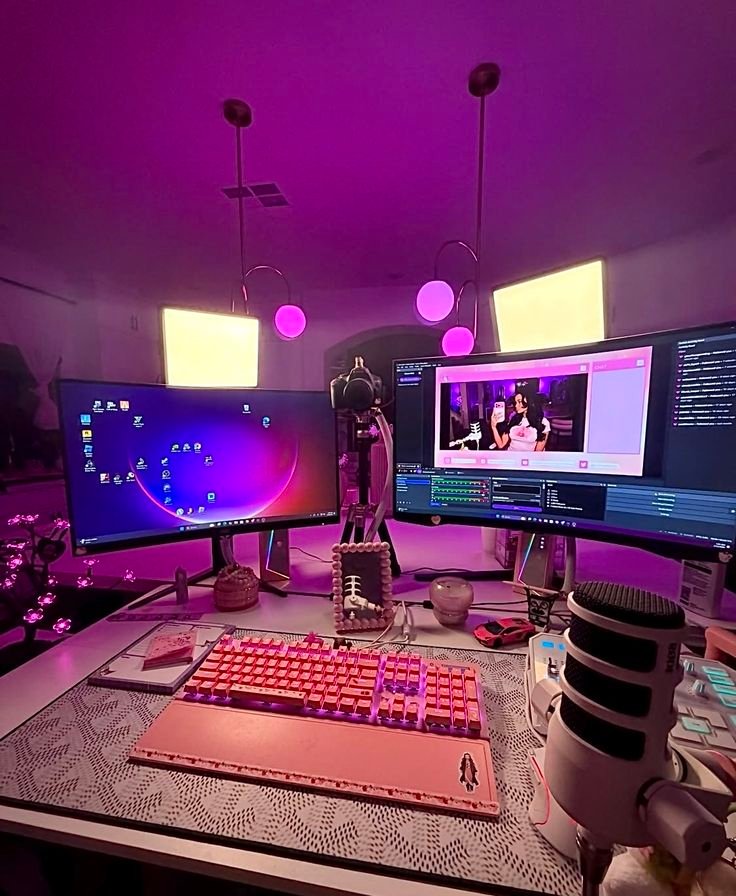
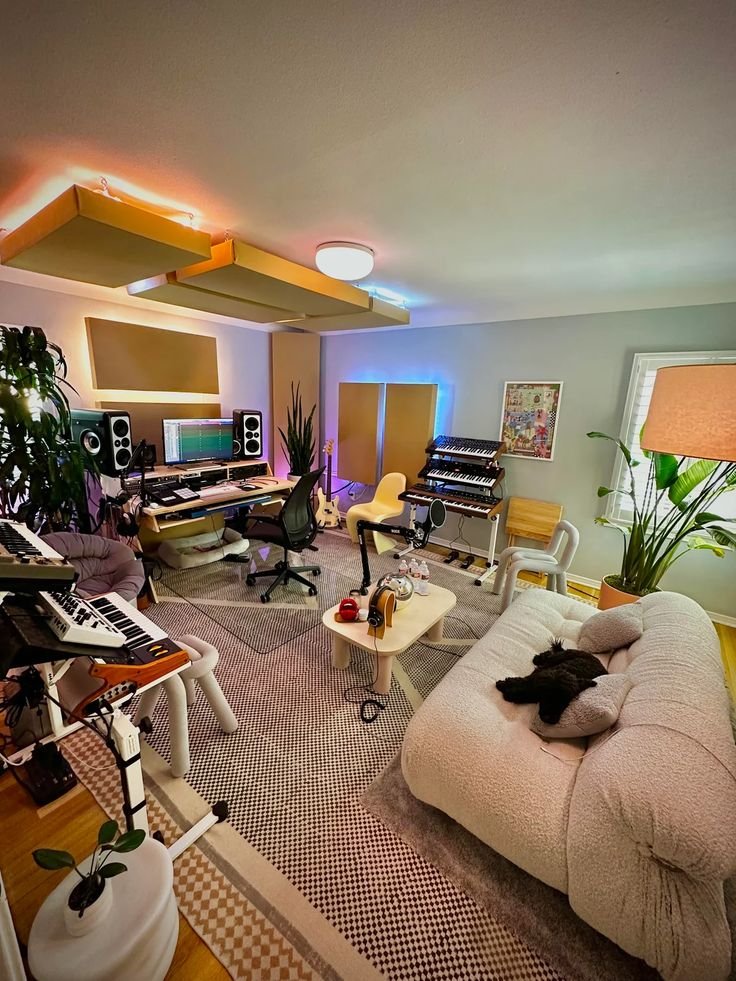
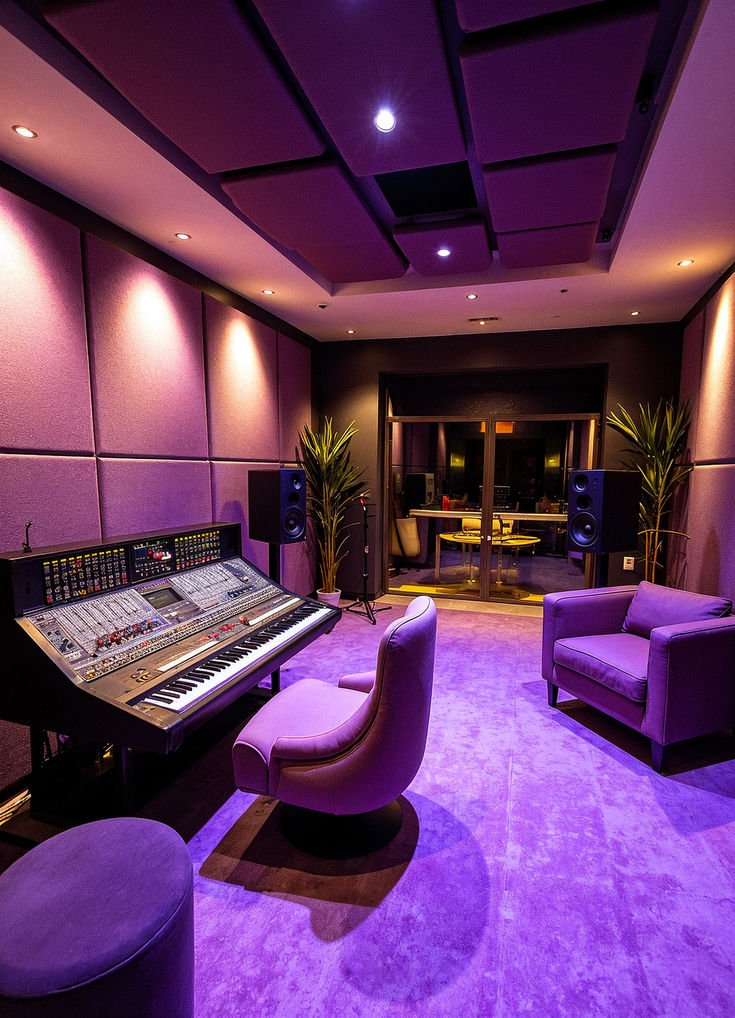
Building your own setup is the ultimate way to take control of your creative process.
First, we will start with the tech, then move on to the decor, so you can transform it into a feminine musical haven.
GEAR
The Interface
Your audio interface is the centerpiece where everything gets connected. The Focusrite Scarlett 2i2 (4th Gen) is a go-to for a reason. The sound is clean, it’s built like a tank, and it’s super beginner-friendly.
If you want a few other options, the Universal Audio Volt 2 or the PreSonus Quantum ES2 are also great. You can usually find these used for around $140, which is a steal for the quality you get.
The Microphone
For vocals, the Lewitt LCT 440 Pure is a hidden gem. It holds its own against microphones that cost thousands of dollars. It’s crisp, clear, and makes your voice sound expensive right out of the box.
The best part? It usually comes with a shock mount and a pop filter, so you don’t have to worry about buying those separately. You can find these used for about $170.
The Extras: Stands and Cables
Don’t overthink the hardware. A simple Pyle Pro stand from Amazon (around $30) does the job perfectly. For cables, I recommend Canare cables. You can actually pick your own colors and lengths, which is a small detail that helps keep your studio’s aesthetic consistent. Plus, they don’t tangle easily.
Hearing Everything Clearly
A good pair of headphones is non-negotiable. The Audio-Technica ATH-M50x are industry favorites for a reason. They’re comfortable for long sessions and they last forever.
When it comes to speakers (or studio monitors), the ADAM Audio D3V are incredible for smaller spaces. They pack a punch and even connect via USB-C. If you want a classic used option, look for the Yamaha HS5s.
The “Tech” Side: MIDI and DAWs
If you want to produce your own tracks, a MIDI controller like the iRig Keys 2 is perfect because it has full-sized keys but stays compact.
For your recording software (DAW), Logic Pro is highly recommended. It’s balanced, intuitive, and filled with all the stock plugins you’ll need to make a professional-sounding song without buying extra software right away.
Perfecting the Vibe: Acoustic Treatment
The biggest sound upgrade isn’t actually a gadget—it’s acoustic treatment. If you can, grab some rockwool panels instead of the cheap foam stuff. Foam just lets sound bounce around, but rockwool actually absorbs it. This makes your mic sound better and your speakers more accurate.
The Final Tally
Building a studio is about being resourceful. If you buy everything new, it can get pricey, but if you have some patience and look for used deals on sites like eBay or Reverb, you can get this entire professional-level setup for right around $1,000.
Once the gear is sorted, you’re free to focus on what matters most: making your music in a space that finally feels like home.
DECOR
When you’re decorating, think of it like you’re designing your dream bedroom in The Sims or setting up a space that’s meant to be featured in a magazine. The goal is to make it look feminine and high-end.
Walls
Start with the walls. To get that luxurious feel and keep things interesting, try adding walnut wood slat panels. They look expensive and stylish, but they also serve a practical purpose: they help with the sound. If you live in an apartment or a condo, these are a lifesaver for keeping your neighbors happy and avoiding noise complaints.
Studio Desk
You don’t actually need a fancy, expensive studio desk. You can just build your own using a countertop with a walnut finish and some adjustable legs.
Adding a set of drawers for storage and a DIY pull-out tray for an 88-key MIDI keyboard is a total game-changer. It saves so much space and keeps your keys tucked away when you’re just busy with admin work or editing.
Instruments
If your instruments are tucked away in cases in the closet, you’re less likely to pick them up. Create an instrument wall using Hercules hangers. By staggering them at different heights, the instruments themselves become the art on the walls. It makes everything accessible—you just grab and play.
Lighting
Lighting is everything when you’re trying to create a cozy, feminine vibe in your studio. A great way to start is by running LED strips along all four corners of the ceiling to give the whole room a soft glow.
Another must-have is a sunset lamp. The big, warm circle it projects makes any space look instantly cooler and more inviting. If you’re adding regular lamps around the room, try to pick unique pieces—like a pink feather lamp or a Victorian-style scallop lamp—to really show off your personality.
Rug
Adding a rug is one of the best things you can do for your room. It instantly makes the space feel cozy and finished, but it also helps your music sound better. Hard floors make sound bounce around, which can make your voice sound echoey or “thin” when you record. A nice, thick rug soaks up that extra noise, making your recordings sound much clearer and more professional. Plus, it’s a great way to bring some color into the room without having to paint the walls.
Sofa
If you have the space, adding would be really beneficial. It turns your studio from just a “work station” into a place where you actually want to hang out. It’s perfect for when you need to take a break, listen back to your tracks from a different perspective, write music or have a friend over to collaborate. From a sound perspective, a soft fabric sofa also helps absorb extra noise, which keeps your room from sounding too hollow. It’s a simple way to make the studio feel more like a lounge and less like an office.
Plants
Plants are an easy way to bring some life into your studio. They add a pop of color and make the room feel fresh and less stiff. If you’re worried about keeping them alive, even a few low-maintenance ones like a Snake Plant or a Pothos can make a big difference. Besides looking good, they help fill up empty corners and make the space feel more like a home and less like a room full of electronics. It’s a simple touch that makes the whole vibe feel a lot more relaxed while you’re creating.
Scents
Scents are the final touch to really set the mood in your studio. Since recording can sometimes be stressful, having a calming scent like lavender or vanilla can help you stay relaxed and focused. You can use a diffuser for a steady, fresh smell or light a candle to get that warm, flickering glow while you work. It’s a simple, invisible way to make the room feel more like a private sanctuary and less like a workspace. Just be sure to keep candles away from any expensive gear or cables.
In the end…..
Building a feminine studio is really about making the space work for you. It’s about taking all that heavy tech and balancing it out with things that make you feel relaxed and inspired. When you add a soft rug, some warm lighting, and a few plants, you’re not just decorating…you’re creating a sanctuary where you can actually enjoy the process of making music.
At the end of the day, your studio should be a reflection of your personality. Whether it’s a cozy sofa for breaks or the smell of the room , these small touches turn a productive room into a creative home. Don’t feel like you have to do it all at once; start with the essentials and let the space grow with your music.
Resources that inspired this post: