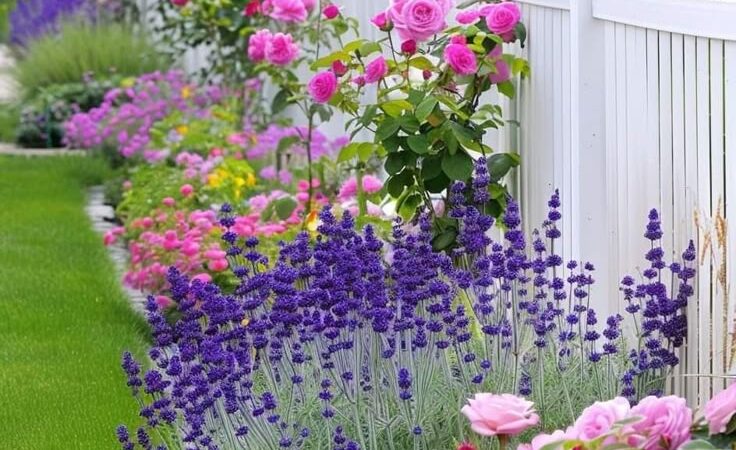
You finally have the keys. The move is done. You step out onto your patio, coffee in hand, and look at your new yard. It’s glorious, it’s yours, and suddenly… it’s a lot of responsibility. If your previous gardening experience was limited to a single succulent on a windowsill, staring at a full-sized garden can feel a bit overwhelming.
But here is a secret: you don’t need a degree in botany to have a yard that makes the neighbors jealous. You just need a little bit of curiosity and the right approach. Here is the “whole shabang” on how to take over a new garden and transform it into your own personal sanctuary.
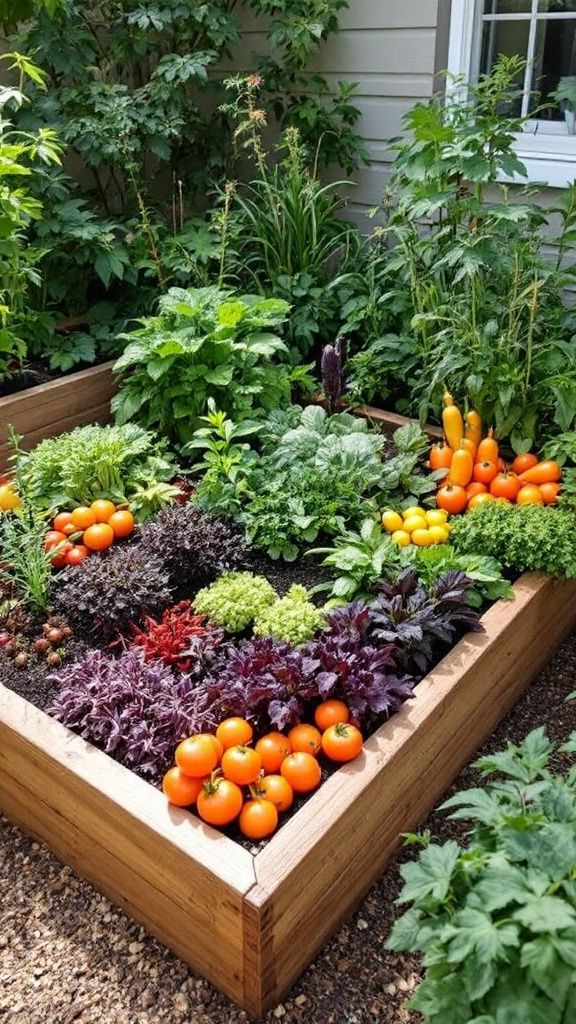
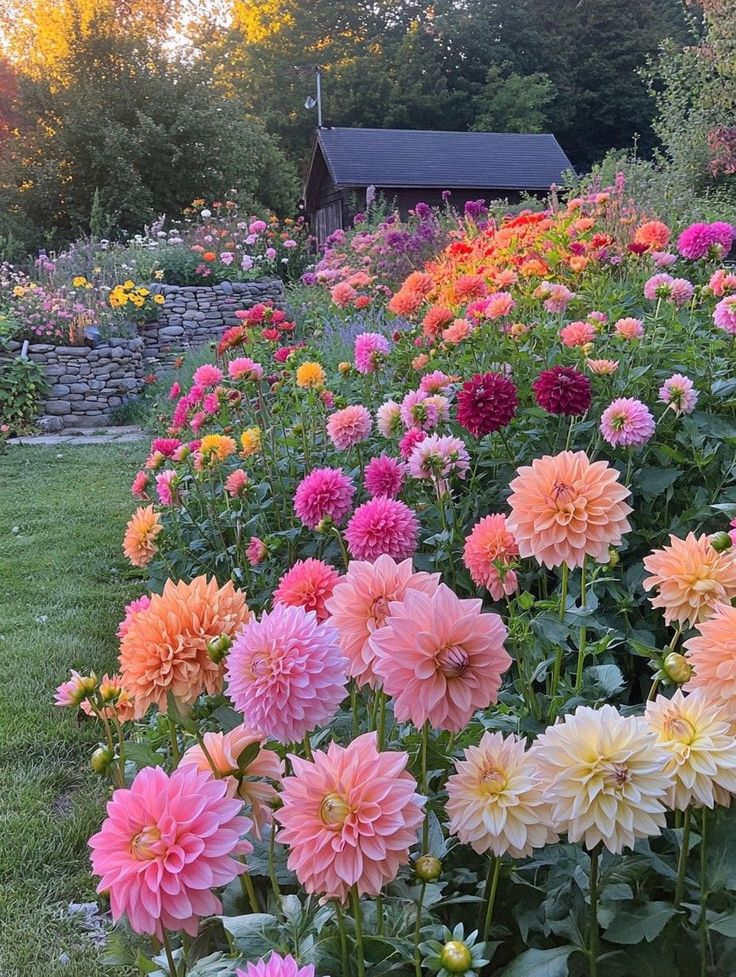
1. Give the Garden a Chance to Introduce Itself
The biggest mistake new homeowners make is getting “shovel-happy” in the first week. Wait. Gardens have a rhythm. Many of the most beautiful plants, like Peonies, Lilies, or Hydrangeas, look like nothing more than dead sticks or bare patches of dirt in the off-season. If you start digging and “cleaning” too aggressively in February or March, you might accidentally throw away hundreds of dollars worth of established flowers.
- The Seasonal Surprise: Give yourself a full season to see what pops up.
- Identify Your Guests: Use a plant-ID app (like PictureThis or even Google Lens) to walk around and “meet” your plants. Knowing that a bush is a Rose and not a Bramble changes how you treat it.
2. The Low-Stress Cleanup
You don’t need to landscape the whole property this weekend. Instead, focus on the “Big Three” to make the space look loved and intentional without breaking your back:
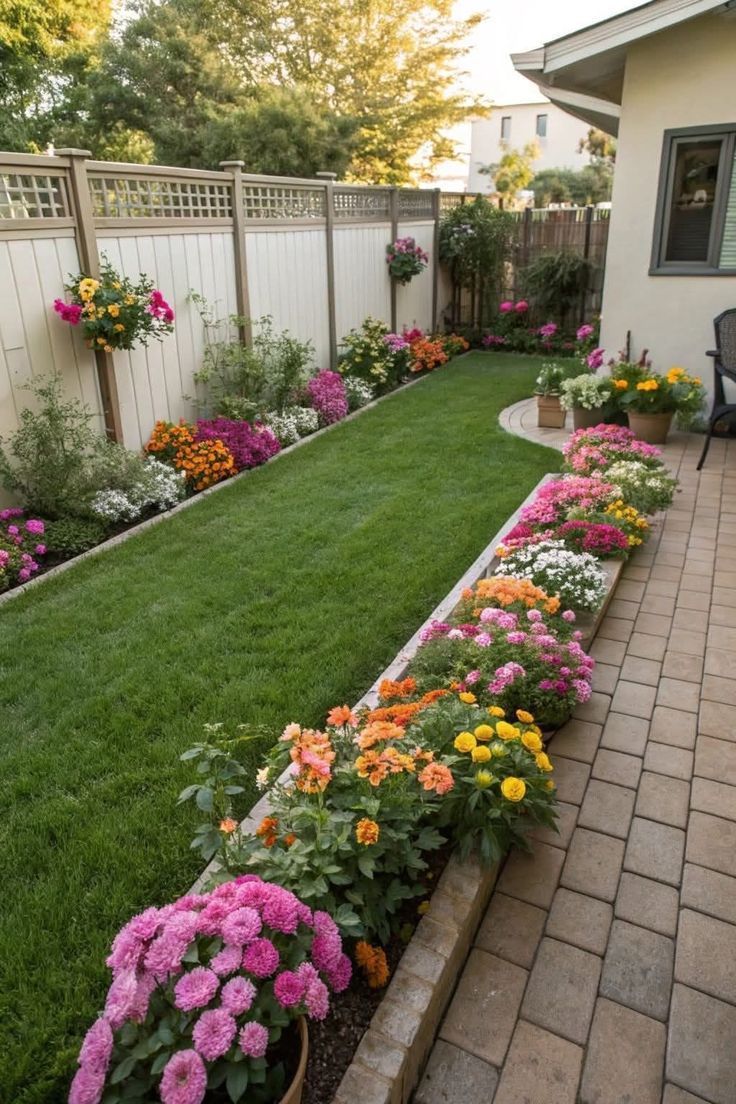
- Mow and Edge: This is the “magic trick” of gardening. A mowed lawn with crisp, clean edges along the flower beds is 80% of the battle. It defines the space and makes the garden look expensive instantly.
- Weed the Paths: Clear the weeds out of the cracks in the stone, gravel, or patio. It’s strangely satisfying work and removes that “abandoned” look from the property.
- The Power of Mulch: If a flower bed looks messy or bare, spread a thick layer (about 2-3 inches) of wood mulch over the dirt. It’s like “makeup” for your garden—it covers imperfections, keeps the soil moist, and stops new weeds from germinating.
3. Build a Toolkit That Doesn’t Break
You don’t need a garage full of scary machinery. You just need a few things that feel good in your hands. Investing in “forever” tools now will save you from buying cheap plastic versions every single summer.
- Sharp Pruning Shears: Think of these as your garden’s hair clippers. You’ll use them to snip dead flowers and keep bushes from blocking your windows.
- A Sturdy Hand Trowel: For planting those first few pops of color. Look for one with a comfortable grip.
- Quality Gloves: Because thorns, stinging nettles, and “mystery bugs” are a real part of the job.
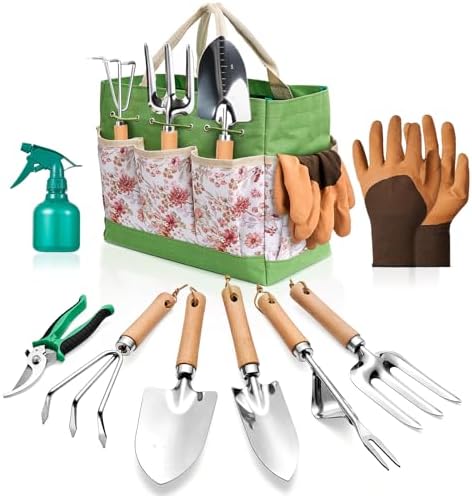
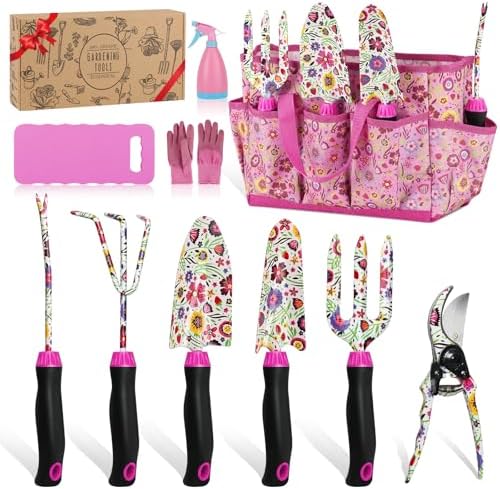
Pro Tip: To avoid the frustration of tools that rust or snap, I highly recommend this Beginner Gardening Kit . It includes the essential, high-quality tools you’ll actually use every week, all in one durable bag.
4. Best Resources for Your New Hobby
Gardening is a skill, and every pro started exactly where you are. You don’t need a textbook; you need a guide that speaks your language and understands that you have a life outside of your weeds.
- “The First-Time Gardener” by Jessica Sowards: This is arguably the most “human” gardening book available. It’s encouraging, simple, and beautiful to look at. It focuses on the why as much as the how.
- YouTube Mentors: Channels like Epic Gardening or Garden Answer are fantastic for seeing how things are done in real-time. Sometimes seeing someone prune a rose bush on video is much more helpful than reading a diagram.
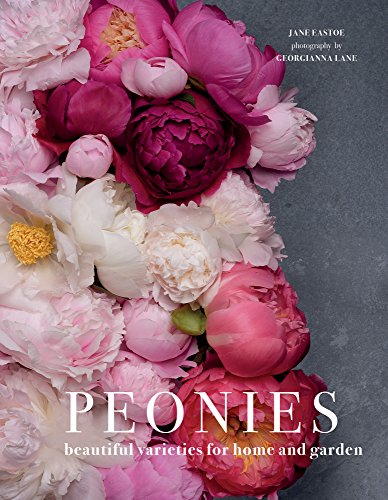
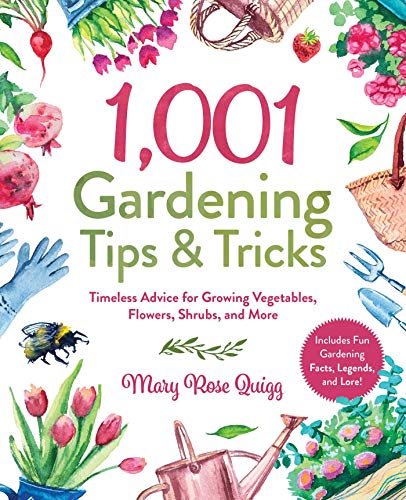
You can find my curated list of Beginner Gardening Books that you will love and to help you plan your very first spring bloom.




![The New Garden Survival Bible: [5 in 1] The Definitive Guide to D...](https://m.media-amazon.com/images/I/51KFUzDjHyL.jpg)

5. Start Small and Stay Human
The most common way to “fail” at gardening is to try to do too much. Don’t try to plant a massive vegetable patch and a formal rose garden in month one. You will get overwhelmed, the weeds will win, and you’ll end up hating your yard.
Instead, pick one small corner or one flower box near your back door. Plant something easy and rewarding like Zinnias, Marigolds, or even some fresh Mint for your tea. Once you see those grow and thrive, you’ll get the “gardening bug.”
Your garden is meant to be a place to breathe, not a second job. If a plant dies, don’t sweat it—every gardener has a “graveyard.” Think of it as “compost-in-the-making” and just try again
This is your first time…
You got this…